
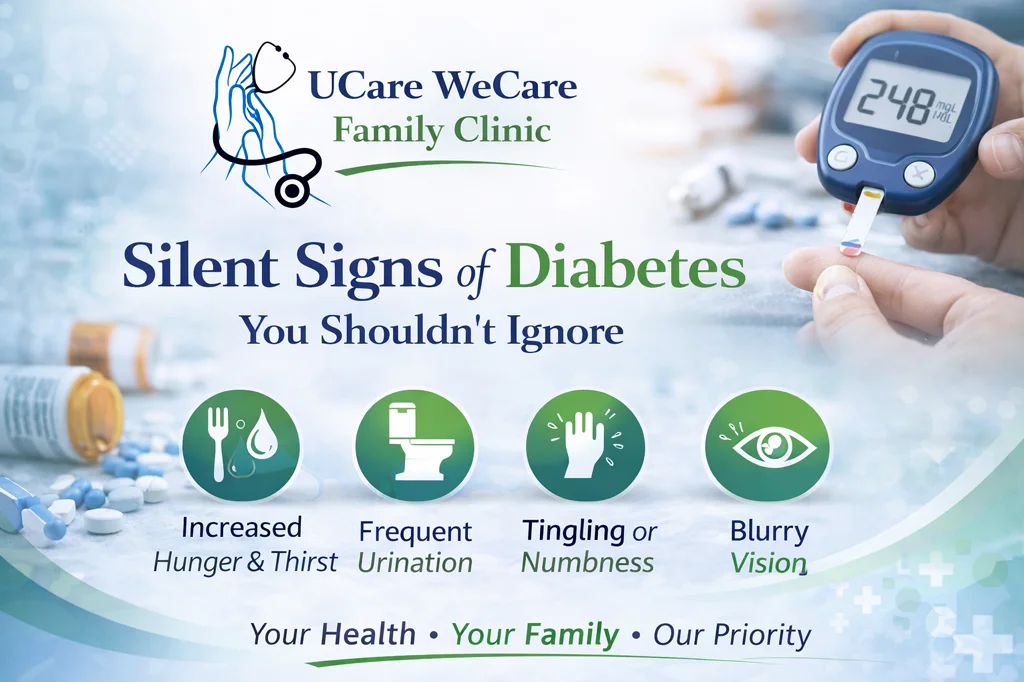
How Diabetes Develops Without Clear Symptoms
Diabetes doesn’t usually knock on your door with loud warning bells. Instead, it sneaks in quietly, almost like a slow leak you barely notice until the damage is already done. In many cases, blood sugar levels rise gradually, and the body adapts in subtle ways that don’t immediately raise concern. That’s why so many people continue their daily routine, completely unaware that something serious is brewing beneath the surface.
Here’s the surprising part early signs of diabetes can be so mild that they feel normal. Feeling tired after a long day? That’s common. Drinking more water during hot weather? Seems harmless. But these small changes, when consistent, can point to something deeper. According to medical insights, symptoms like thirst, fatigue, and frequent urination are often present early on but easily ignored .
The body tries its best to cope with rising sugar levels, but over time, this imbalance starts affecting organs, nerves, and blood vessels. What makes diabetes tricky is that it doesn’t always cause pain in the beginning. And let’s be honest most of us only take action when something hurts. That delay can cost precious time.
Why Many People Miss Early Warning Signs
There’s a reason diabetes is often called a silent killer. Many of its symptoms overlap with everyday life. You might blame fatigue on work stress or chalk up blurry vision to screen time. It’s easy to dismiss these signs because they don’t feel urgent.
Studies and health experts suggest that people may live with undiagnosed diabetes for years before discovering it . By the time they get tested, some damage may have already started. That’s a tough reality, but also a powerful reminder to listen closely to your body.
Think of your body as a messenger. When it whispers instead of shouts, it’s easy to ignore but those whispers matter. Recognizing these early signals can make all the difference between managing diabetes early or facing complications later.
Early Signs of Diabetes You Should Never Overlook
Constant Thirst and Frequent Urination
One of the most common yet overlooked symptoms is feeling thirsty all the time. You drink water, but it never seems enough. Sound familiar? This happens because excess sugar in your bloodstream pulls fluid from your tissues, leaving you dehydrated.
At the same time, you may notice more trips to the bathroom, especially at night. This isn’t just inconvenient it’s your body trying to flush out the extra glucose. According to health sources, increased urination and thirst are among the earliest warning signs of diabetes .
The tricky part is that many people don’t connect these dots. Drinking more water feels like a healthy habit, right? But when it becomes excessive and constant, it’s worth paying attention. It’s like your body waving a small flag, asking you to take a closer look.
Unexplained Fatigue and Low Energy
Ever feel exhausted even after a full night’s sleep? That’s not just one of those days. Unexplained fatigue and diabetes often go hand in hand. When your body can’t properly use glucose for energy, you’re left feeling drained, sluggish, and out of sync.
Imagine putting fuel in a car but the engine can’t use it that’s exactly what’s happening here. Your body has sugar available, but without proper insulin function, it can’t convert that sugar into usable energy.
This kind of fatigue isn’t just physical. It can also affect your focus, mood, and productivity. You might feel mentally foggy or unusually irritable. These subtle shifts can easily be brushed off, but together, they paint a bigger picture.
Increased Hunger Even After Eating
Here’s a confusing one you eat a full meal, yet you’re still hungry. This condition, known as polyphagia, happens because your body isn’t absorbing glucose effectively. As a result, your cells keep signaling for more energy, even when you’ve already eaten.
It’s like filling a bucket with a hole at the bottom it never feels full. This constant hunger can lead to overeating, which may further complicate blood sugar levels. Again, it’s subtle, but when paired with other symptoms, it becomes a clear warning sign.
Sudden Weight Loss or Gain
Weight changes without any clear reason can be another red flag. Some people experience unexpected weight loss, especially in early diabetes, because the body starts burning fat and muscle for energy.
On the flip side, others may gain weight due to insulin resistance. Either way, unexplained changes in your body weight shouldn’t be ignored. These shifts often happen quietly, without dramatic changes, making them easy to overlook.
Subtle Symptoms That Often Go Unnoticed
Blurred Vision and Eye Changes
Your eyes can reveal a lot about your health. High blood sugar levels can affect the lenses in your eyes, leading to blurred vision. You might notice difficulty focusing or needing to change your glasses frequently.
This symptom often comes and goes, which makes it even more confusing. One day your vision seems fine, the next it’s slightly off. It’s not always severe, but it’s a sign your body is struggling to maintain balance.
Slow Healing Wounds and Frequent Infections
Got a cut that’s taking forever to heal? That’s not something to ignore. Slow healing is a classic diabetes symptom, caused by poor blood circulation and weakened immune response.
Frequent infections, especially skin or urinary infections, can also be a sign. High sugar levels create an environment where bacteria thrive. Over time, this can lead to recurring health issues that seem unrelated at first glance.
Tingling or Numbness in Hands and Feet
A tingling sensation in your hands or feet might feel harmless, but it can indicate nerve damage, also known as diabetic neuropathy. This usually develops over time, but early signs can appear quietly.
You might feel a slight numbness, pins-and-needles sensation, or even burning pain. These symptoms often start mild and gradually worsen, making them easy to dismiss in the beginning.
What Are the Silent Signs of Prediabetes?
Mild Fatigue and Brain Fog
Before diabetes fully develops, many people go through a stage called prediabetes. This is like a warning zone—your blood sugar is higher than normal but not high enough to be diagnosed as diabetes.
During this phase, symptoms are even more subtle. You may feel slightly tired, less focused, or mentally foggy. These signs are easy to ignore because they don’t disrupt your life dramatically.
Slight Increase in Thirst or Hunger
Small changes in thirst or appetite can also signal prediabetes. You might not notice them at first, but over time, they become more consistent. Catching these early can actually help reverse the condition with lifestyle changes.
Diabetes Symptoms in Adults: Men vs Women
Warning Signs of Diabetes in Men
In men, diabetes may show up as reduced muscle strength or even erectile dysfunction in some cases. These symptoms often go unspoken, which delays diagnosis even further.
Warning Signs of Diabetes in Women
Women may experience more frequent yeast infections or urinary tract infections, which are linked to high sugar levels in the body . Hormonal changes can also make symptoms slightly different or more noticeable.
What Does a Diabetic Skin Rash Look Like?
Common Skin Changes Linked to Diabetes
Skin often tells a story your body hasn’t spoken yet. One common sign is dark, velvety patches, especially around the neck or underarms. This condition, known as acanthosis nigricans, is linked to insulin resistance.
Other skin changes may include dryness, itching, or unusual rashes. These signs may not seem serious on their own, but together, they point toward underlying blood sugar issues.
When Should You See a Doctor?
Importance of Early Diagnosis
Here’s the thing waiting too long can lead to complications affecting the heart, kidneys, eyes, and nerves. Early diagnosis allows you to take control before things escalate.
Even mild symptoms that last a few weeks should be checked. A simple blood test can reveal what’s going on behind the scenes.
Primary Care for Diabetes in Newnan
If you’re in areas like Newnan, seeking primary care for diabetes or visiting a family clinic for diabetes in Newnan, GA can help you get proper screening and guidance early on. Regular checkups aren’t just routine they’re preventive care in action.
How a Family Clinic Can Help Manage Diabetes
Role of Regular Checkups and Screening
A good family clinic doesn’t just treat illness it helps prevent it. Routine screenings, personalized advice, and early intervention can make managing diabetes much easier.
Doctors can guide you through lifestyle changes, medications, and monitoring strategies tailored to your needs. Think of it as having a roadmap instead of guessing your way through.
Conclusion
Diabetes doesn’t always make a grand entrance. It slips in quietly, hiding behind everyday symptoms that seem harmless at first. That’s what makes it dangerous but also preventable if caught early.
Pay attention to your body. Notice the patterns. If something feels off consistently, don’t brush it aside. Acting early can protect your health, energy, and quality of life in ways you might not even realize right now.
FAQs
What are the most common silent signs of diabetes?
The most common silent signs include constant thirst, frequent urination, fatigue, blurred vision, and slow-healing wounds.
Can diabetes develop without symptoms?
Yes, especially type 2 diabetes. Many people have it for years without noticeable symptoms.
What are warning signs of prediabetes?
Mild fatigue, slight increase in thirst, and subtle hunger changes are common early signs.
How do I know if my fatigue is related to diabetes?
If fatigue is constant, unexplained, and paired with other symptoms like thirst or frequent urination, it’s worth getting tested.
When should I get tested for diabetes?
If you notice persistent symptoms or have risk factors like family history or obesity, you should get tested as soon as possible.