
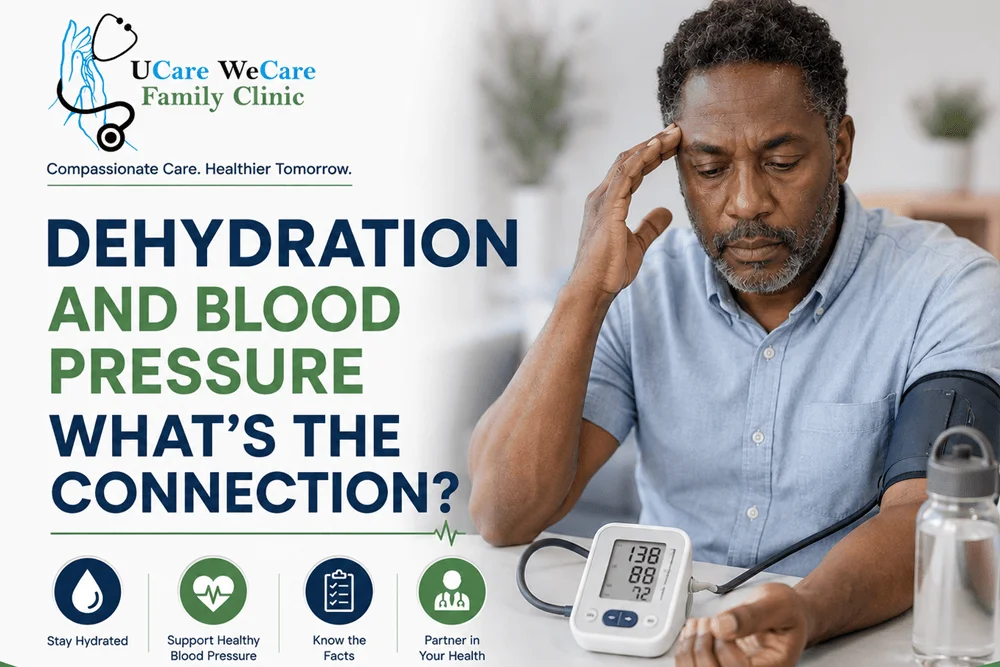
Understanding the Basics of Blood Pressure
Blood pressure is one of those health terms we hear all the time, but many people don’t fully understand it. In simple words, it’s the force your blood uses to move through your arteries. Think of it like water flowing through a garden hose if the pressure is too high or too low, something isn’t working right. Your heart constantly works like a pump, pushing blood around your body to deliver oxygen and nutrients. When everything is balanced, you feel energetic and healthy. But when something disturbs this balance, like dehydration, things start to go off track.
Blood pressure naturally changes throughout the day depending on your activity, stress, and even what you eat or drink. For example, it may rise when you’re active or stressed and drop when you rest. However, when hydration levels drop in your body, these fluctuations can become more extreme and unpredictable. That’s why understanding this system is important, especially for people already dealing with heart related conditions or hypertension.
What is Dehydration and Why It Happens
Dehydration happens when your body loses more fluids than it takes in. Water is essential for nearly every function in your body, from digestion to temperature control and even blood circulation. When you don’t drink enough water, your body starts struggling to maintain balance. It’s not just about feeling thirsty it’s about your internal systems slowing down.
Common causes include not drinking enough fluids, excessive sweating, diarrhea, vomiting, or even hot weather exposure. Sometimes, people don’t realize they’re dehydrated because symptoms can be subtle at first. Headaches, dry mouth, tiredness, and dizziness often show up early but are ignored.
If dehydration continues, it becomes more serious and starts affecting vital organs. One of the most important systems affected is your cardiovascular system, which directly connects to blood pressure changes.
Dehydration and Blood Pressure Relationship Explained
Now here’s where things get really interesting. Dehydration and blood pressure are closely connected in ways many people don’t realize. When your body loses water, your blood volume decreases. Less blood volume means your heart has less fluid to pump, which can cause your blood pressure to drop.
Yes, dehydration can actually lead to low blood pressure in many cases. This is especially noticeable when you stand up quickly and feel dizzy that’s called orthostatic hypotension. On the other hand, chronic dehydration can also trigger stress responses in your body that may contribute to long-term blood pressure issues.
So the relationship is not one sided. It’s a delicate balance, and even small changes in hydration can influence how your heart and blood vessels behave.
Effects of Dehydration on Blood Pressure
When dehydration kicks in, your body reacts quickly. One of the first effects is a drop in blood volume, which directly affects blood pressure levels. This can make you feel weak, lightheaded, or even cause fainting in severe cases. Your heart has to work harder to push the reduced amount of blood around your body.
However, long term dehydration may also have another effect. It can cause blood vessels to tighten as your body tries to conserve water. This tightening can sometimes lead to increased pressure in the arteries over time. That’s why dehydration doesn’t just cause low blood pressure it can contribute to irregular blood pressure patterns overall.
People often overlook hydration when managing heart health, but it plays a much bigger role than expected.
Does Drinking Water Lower Blood Pressure?
One of the most common questions people ask is Does drinking water lower blood pressure? The answer depends on your condition. In the short term, drinking water can help stabilize blood pressure, especially if dehydration is the cause of low pressure.
Water increases blood volume, which helps improve circulation. However, for people with high blood pressure, hydration alone is not a cure. It supports overall heart health but must be combined with lifestyle changes and medical treatment.
Long term hydration supports kidney function, improves circulation, and helps maintain a healthier cardiovascular system. So while water isn’t a magic solution, it plays a powerful supporting role.
Hypertension and Hydration Connection
Hypertension, or high blood pressure, is often called the “silent killer” because it develops slowly over time. Hydration plays a supporting role in managing this condition. When your body is well-hydrated, blood flows more easily through your vessels, reducing strain on the heart.
Dehydration, on the other hand, forces your body to conserve water, which may increase vascular resistance. This can make hypertension harder to manage. That’s why doctors often emphasize hydration as part of a complete heart health plan.
People managing hypertension should not underestimate the simple act of drinking enough water daily.
How Much Water Should You Drink Daily?
There is no one size fits all answer, but general guidelines suggest about 2 to 3 liters of water per day for most adults. However, this depends on age, climate, physical activity, and overall health.
If you live in a hot environment or exercise regularly, your water needs increase. Similarly, people with certain medical conditions may require adjusted intake levels.
The key is consistency. Instead of drinking large amounts at once, it’s better to sip water throughout the day to maintain steady hydration levels.
Warning Signs of Poor Hydration
Your body always gives signals when something is wrong. Common physical signs of dehydration include dry skin, dark urine, dizziness, and fatigue. You might also experience headaches or muscle cramps.
Mentally, dehydration can affect concentration, mood, and alertness. Many people mistake these symptoms for stress or tiredness when the real issue is lack of water.
Recognizing these early signs can help prevent serious blood pressure fluctuations.
Managing Blood Pressure Through Hydration
Good hydration habits can support stable blood pressure. Drinking water regularly, eating water rich foods like fruits and vegetables, and avoiding excessive caffeine or alcohol can make a big difference.
Small lifestyle changes matter. Even carrying a water bottle and setting reminders can improve your daily intake. When combined with a balanced diet and regular checkups, hydration becomes a powerful tool for heart health.
Role of Medical Support in Blood Pressure Management
Managing blood pressure is not just about home care it also requires medical guidance. A blood pressure management clinic helps patients monitor their condition regularly and adjust treatment when needed.
Similarly, a chronic disease management clinic provides long-term support for conditions like hypertension, diabetes, and heart disease. These clinics focus on prevention, education, and continuous care, which helps patients maintain better health outcomes.
Expert Insights on Hydration and Heart Health
Healthcare professionals often emphasize that hydration is a simple yet powerful part of heart health. While it cannot replace medication or medical treatment, it supports the body’s natural balance.
Experts suggest that even mild dehydration can influence cardiovascular performance, especially in older adults or those with existing health conditions.
UCare WeCare Family Clinic Approach
At UCare WeCare Family Clinic, patient care focuses on complete wellness, not just symptom treatment. The clinic supports individuals dealing with hypertension and hydration-related issues through regular monitoring and personalized care plans.
Their approach includes preventive care, lifestyle guidance, and chronic disease management support. Patients are encouraged to understand how hydration, diet, and daily habits impact blood pressure. This holistic approach helps people stay healthier in the long run.
Final Thoughts on Hydration and Blood Pressure
Hydration may seem simple, but its impact on blood pressure is powerful. From preventing dizziness caused by low blood pressure to supporting long term heart health, water plays a key role in your body’s balance.
Understanding the link between dehydration and blood pressure helps you take better control of your health. Small daily habits can lead to big improvements over time.
FAQs
1. Can dehydration really cause low blood pressure?
Yes, dehydration reduces blood volume, which can lead to low blood pressure and dizziness.
2. Does drinking water lower blood pressure instantly?
It may help stabilize it, especially if dehydration is the cause, but it’s not an instant cure for hypertension.
3. How much water should I drink daily for healthy blood pressure?
Most adults need around 2 3 liters daily, but needs vary based on lifestyle and health conditions.
4. Can chronic dehydration increase blood pressure?
Yes, long term dehydration may contribute to vascular stress and irregular blood pressure levels.
5. Why is hydration important for hypertension patients?
Proper hydration supports blood flow, reduces strain on the heart, and helps manage blood pressure more effectively.