
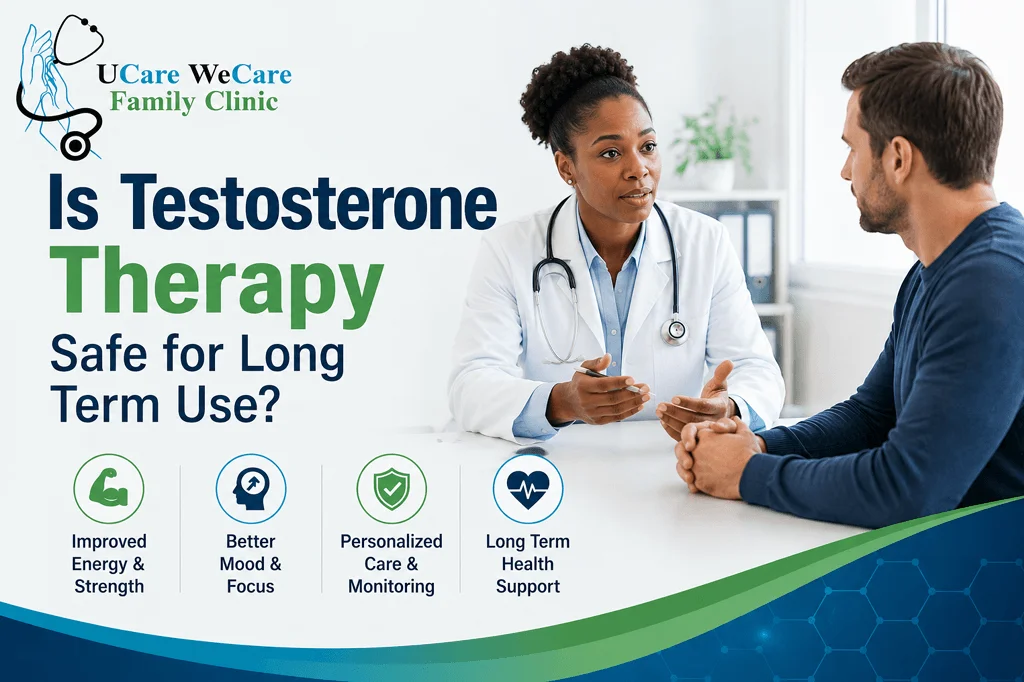
Testosterone Replacement Therapy, often called TRT, has become one of the most talked about treatments for men dealing with low testosterone levels. From improving energy and mood to helping with muscle mass and libido, TRT is often seen as a life-changing solution. Still, one question keeps popping up in clinics and online forums alike: is testosterone therapy safe long term?
The answer isn’t as simple as a yes or no. Like many medical treatments, the long term safety of TRT depends on several factors, including the patient’s health condition, dosage, medical supervision, and regular monitoring. Some men stay on testosterone therapy for years and experience significant benefits, while others may develop side effects if treatment isn’t managed properly.
Recent studies and updated guidance from the U.S. Food and Drug Administration (FDA) have provided a clearer picture of what happens when testosterone therapy is used responsibly. Researchers continue to study its effects on heart health, blood pressure, prostate health, and overall longevity. Understanding both the advantages and potential risks can help men make informed decisions about their health instead of relying on myths or social media opinions.
Understanding Testosterone Replacement Therapy
Testosterone is the primary male sex hormone responsible for muscle development, bone density, libido, mood regulation, red blood cell production, and overall vitality. As men age, testosterone levels naturally decline. For some individuals, however, testosterone drops below a healthy range and causes symptoms that significantly affect daily life. This condition is commonly known as hypogonadism.
TRT is designed to restore testosterone levels to a normal physiological range. Treatment may come in the form of injections, gels, patches, pellets, or oral medications. The goal is not to create superhuman hormone levels but rather to help patients return to a healthy balance. When administered correctly, testosterone therapy can improve multiple aspects of physical and mental well-being.
Healthcare providers typically confirm testosterone deficiency through blood testing before recommending treatment. A diagnosis usually involves both laboratory evidence and noticeable symptoms. Medical professionals stress the importance of proper evaluation because low energy or reduced libido alone does not automatically mean someone needs testosterone therapy.
The increasing popularity of TRT has also created confusion. Some people view it as an anti-aging shortcut, while others see it as essential medical treatment. The truth lies somewhere in the middle. TRT can be highly beneficial for the right candidate, but it requires ongoing supervision and individualized care.
Common Symptoms of Low Testosterone
Low testosterone can affect nearly every system in the body. Many men first notice a decline in energy levels and motivation. Tasks that once felt easy suddenly seem exhausting. Some individuals experience difficulty concentrating, often describing it as brain fog that interferes with productivity and daily responsibilities.
Physical changes are also common. Men may lose muscle mass despite exercising regularly, gain body fat around the abdomen, and struggle with reduced strength. Sleep disturbances can develop, creating a frustrating cycle where fatigue and hormonal imbalance feed into each other.
Sexual health often becomes another concern. Reduced libido, erectile dysfunction, and lower sexual satisfaction frequently lead men to seek medical evaluation. Emotional symptoms may also appear, including irritability, depression, and reduced confidence.
Because these symptoms overlap with other health conditions, comprehensive testing is essential before beginning TRT. A qualified healthcare provider can determine whether testosterone deficiency is truly the underlying cause and recommend appropriate treatment options.
Why Long Term TRT Has Become More Common
Over the last decade, interest in hormone health has exploded. Men are becoming more proactive about addressing symptoms that were once dismissed as normal aging. This shift has contributed to the growth of specialized hormone and wellness clinics across the United States.
A reputable testosterone therapy clinic Newnan GA or elsewhere typically offers comprehensive evaluations, lab testing, and ongoing monitoring rather than simply prescribing testosterone. Patients are increasingly looking for personalized treatment plans that focus on long-term health outcomes instead of quick fixes.
Social media, podcasts, and fitness influencers have also fueled awareness of testosterone therapy. While increased awareness can help people seek treatment sooner, it has also created misinformation. Some online personalities promote aggressive dosing strategies that differ significantly from evidence-based medical guidelines.
The safest approach remains physician guided therapy with clear diagnostic criteria and regular follow up care. Testosterone is a powerful hormone, and treating it like a casual supplement can create unnecessary risks.
Growing Awareness of Testosterone Deficiency
Modern healthcare providers recognize that untreated testosterone deficiency can have significant consequences. Low testosterone has been associated with reduced bone density, decreased muscle strength, fatigue, and diminished quality of life.
Many men who start TRT report substantial improvements in energy, exercise performance, mood, and sexual function. These positive experiences have contributed to the growing acceptance of hormone replacement therapy as a legitimate medical treatment.
Patients today are also living longer than previous generations. As life expectancy increases, maintaining physical function and overall wellness becomes a greater priority. For men with confirmed testosterone deficiency, long-term therapy may play an important role in preserving health and vitality.
Benefits and Risks of Testosterone Replacement Therapy
The benefits and risks of testosterone replacement therapy must always be evaluated together. On the benefit side, many patients experience improvements that feel transformative. Energy levels often increase, making daily activities more manageable and enjoyable.
Muscle development tends to improve as testosterone supports protein synthesis and recovery. Combined with exercise and proper nutrition, TRT may help men regain strength that was lost due to hormonal deficiency. Bone density can also improve, reducing the risk of fractures over time.
Mental health benefits are equally significant for some patients. Many report better focus, enhanced motivation, improved mood, and greater self confidence. Sexual health improvements, including stronger libido and enhanced erectile function, often contribute to overall relationship satisfaction.
When testosterone deficiency is properly diagnosed and treated, these improvements can dramatically enhance quality of life. That is one reason many patients choose to remain on TRT for extended periods under medical supervision.
Potential Risks That Require Monitoring
No medical treatment is completely risk free, and TRT is no exception. One of the most important concerns involves changes in red blood cell production. Testosterone stimulates the bone marrow, which can increase hematocrit levels. Elevated hematocrit may thicken the blood and potentially raise the risk of clotting complications.
Other possible side effects include acne, oily skin, fluid retention, breast tissue enlargement, and sleep apnea worsening in susceptible individuals. Fertility can also be affected because external testosterone may suppress the body’s natural hormone production.
Blood pressure monitoring has become increasingly important. The FDA recently updated labeling for testosterone products after studies showed potential increases in blood pressure across the treatment class.
These risks do not automatically mean TRT is unsafe. They highlight why careful monitoring remains essential throughout treatment.
What Happens If You Stay on Testosterone Forever?
One of the most common questions patients ask is, what happens if you stay on testosterone forever? The answer begins with understanding how the body’s hormone system works.
When external testosterone is introduced, the brain often reduces signals that stimulate natural testosterone production. Over time, the testicles may produce significantly less testosterone on their own. This means many men who discontinue long term TRT may experience a return of low testosterone symptoms until natural production recovers, if it recovers fully.
For individuals with genuine hypogonadism, this tradeoff is often acceptable because natural production was already insufficient. In these cases, TRT functions similarly to insulin therapy for diabetes or thyroid hormone replacement for hypothyroidism.
The key is recognizing that TRT is often a long term commitment rather than a short term performance enhancer.
Lifelong Treatment Considerations
Long term TRT requires a mindset focused on consistency. Patients must commit to regular appointments, laboratory testing, and ongoing communication with healthcare providers. Skipping follow up visits or adjusting doses independently can increase the likelihood of complications.
Lifestyle factors remain important as well. Testosterone therapy works best when combined with healthy nutrition, regular exercise, quality sleep, and cardiovascular health management. Hormones are only one piece of the wellness puzzle.
Many men remain on TRT for years while maintaining stable health markers and good quality of life. Success typically comes from treating testosterone therapy as a carefully managed medical treatment rather than a shortcut to better performance.
Does TRT Affect Heart Health Long Term?
One of the biggest concerns surrounding TRT has been cardiovascular safety. For years, researchers debated whether testosterone therapy increased the risk of heart attacks and strokes.
Recent evidence has provided more reassurance. The FDA reviewed findings from the large TRAVERSE trial, which found no significant increase in major adverse cardiovascular events among appropriately selected men receiving testosterone therapy compared to placebo. The reported rates were similar between both groups.
A 2024 systematic review and meta analysis examining cardiovascular safety also found no clear evidence that properly prescribed TRT increases major cardiovascular risks.
These findings represent a major shift in the discussion surrounding does TRT affect heart health long term. While researchers continue studying long term outcomes, current evidence suggests that medically supervised TRT appears safer than many previously believed.
Blood Pressure and Cardiovascular Monitoring
Although recent studies are reassuring, monitoring remains critical. The FDA continues to require warnings regarding increased blood pressure associated with testosterone products.
Blood pressure, cholesterol levels, body weight, blood sugar, and cardiovascular history should all be reviewed regularly during treatment. Patients with existing heart disease may require closer supervision and collaboration between specialists.
Think of TRT like driving a high performance vehicle. The car may be perfectly safe when maintained properly, but regular inspections help ensure everything continues operating smoothly. The same principle applies to long-term hormone therapy.
Long-Term Side Effects of Testosterone Injections
Among the most discussed long term side effects of testosterone injections is elevated hematocrit. Testosterone stimulates red blood cell production, which can sometimes push hematocrit above recommended thresholds. Regulatory agencies and clinical guidelines emphasize routine monitoring for this reason.
If hematocrit rises too high, healthcare providers may adjust the dosage, switch formulations, temporarily stop treatment, or investigate contributing factors such as sleep apnea. Regular laboratory monitoring helps identify these issues before they become dangerous.
Patients who skip blood work place themselves at greater risk because elevated hematocrit often causes no symptoms until it becomes significant. This is why experienced clinicians consistently stress routine testing.
Monitoring allows most cases to be managed effectively without major complications, demonstrating again why professional supervision matters so much.
Acne, Hair Loss, and Other Common Concerns
Not all side effects are serious, but they can still affect quality of life. Some patients develop acne due to increased oil production. Others notice accelerated hair loss if they are genetically predisposed to male pattern baldness.
Fluid retention, mood changes, and injection site discomfort may also occur. The severity varies widely between individuals. Some men experience very few side effects, while others require dosage adjustments to maintain comfort and safety.
The good news is that most side effects become manageable when identified early. Open communication between patients and healthcare providers often leads to effective solutions before problems become disruptive.
Is Medically Supervised TRT Safe?
When discussing is medically supervised TRT safe, the answer becomes much clearer. The strongest evidence supporting TRT safety comes from studies where patients underwent routine monitoring and dose adjustments.
Regular blood work and monitoring for TRT typically includes:
Clinical guidelines often recommend baseline testing followed by evaluations at approximately three months, six months, and annually thereafter.
Monitoring transforms TRT from a potentially risky experiment into a structured medical treatment with measurable safety parameters.
Choosing the Right Healthcare Provider
Not all TRT providers offer the same level of care. Patients should look for clinics that perform comprehensive testing, explain treatment goals clearly, and prioritize long-term health over aggressive hormone optimization.
Providers who promise unrealistic results or avoid regular laboratory testing should raise concerns. Effective TRT involves partnership, education, and accountability. A quality provider will focus on symptom improvement while maintaining hormone levels within an appropriate therapeutic range.
Finding a Trusted Testosterone Therapy Clinic Newnan GA
For individuals searching for a reliable testosterone therapy clinic Newnan GA, choosing a practice that emphasizes evidence-based medicine is essential. The clinic should conduct detailed hormone evaluations, review medical history thoroughly, and create customized treatment plans rather than using one size fits all protocols.
A provider like UCare WeCare Family Clinic can help patients understand whether TRT is appropriate for their specific situation. The focus should always be on balancing benefits with safety through regular monitoring and patient education.
Patients should feel comfortable asking questions about side effects, cardiovascular monitoring, fertility concerns, and long-term treatment expectations. A trustworthy clinic welcomes these discussions because informed patients typically achieve better outcomes.
Conclusion
So, is testosterone therapy safe long term? Current evidence suggests that TRT can be safe for many men when it is prescribed appropriately, monitored consistently, and managed by qualified healthcare professionals. Recent large scale studies have not shown a significant increase in major cardiovascular events among properly selected patients receiving testosterone therapy.
That doesn’t mean TRT is risk free. Blood pressure changes, elevated hematocrit, fertility issues, and other side effects remain important considerations. The difference between safe and unsafe therapy often comes down to medical supervision, routine blood work, and responsible dosing.
For men with confirmed testosterone deficiency, TRT may provide meaningful improvements in energy, mood, muscle strength, and overall quality of life. The most successful long term outcomes occur when patients view treatment as part of a comprehensive health strategy rather than a quick fix. With the right provider and ongoing monitoring, testosterone therapy can be a valuable tool for maintaining health and well being over the long run.
FAQs
1. Is testosterone therapy safe long term for most men?
For men with medically diagnosed testosterone deficiency, current research suggests TRT can be safe when properly monitored by healthcare professionals and combined with regular blood testing.
2. What happens if you stay on testosterone forever?
Long-term TRT often suppresses natural testosterone production. Many patients remain on treatment indefinitely under medical supervision to maintain healthy hormone levels and symptom relief.
3. Does TRT affect heart health long term?
Recent large studies found no significant increase in major cardiovascular events among appropriately monitored patients, although blood pressure monitoring remains important.
4. How often should blood work be done during TRT?
Most guidelines recommend baseline testing followed by evaluations around three months, six months, and annually, though schedules may vary based on individual needs.
5. What are the most common long-term side effects of testosterone injections?
Potential side effects include elevated hematocrit, acne, fluid retention, fertility reduction, and possible blood pressure increases. Regular monitoring helps manage these risks effectively.