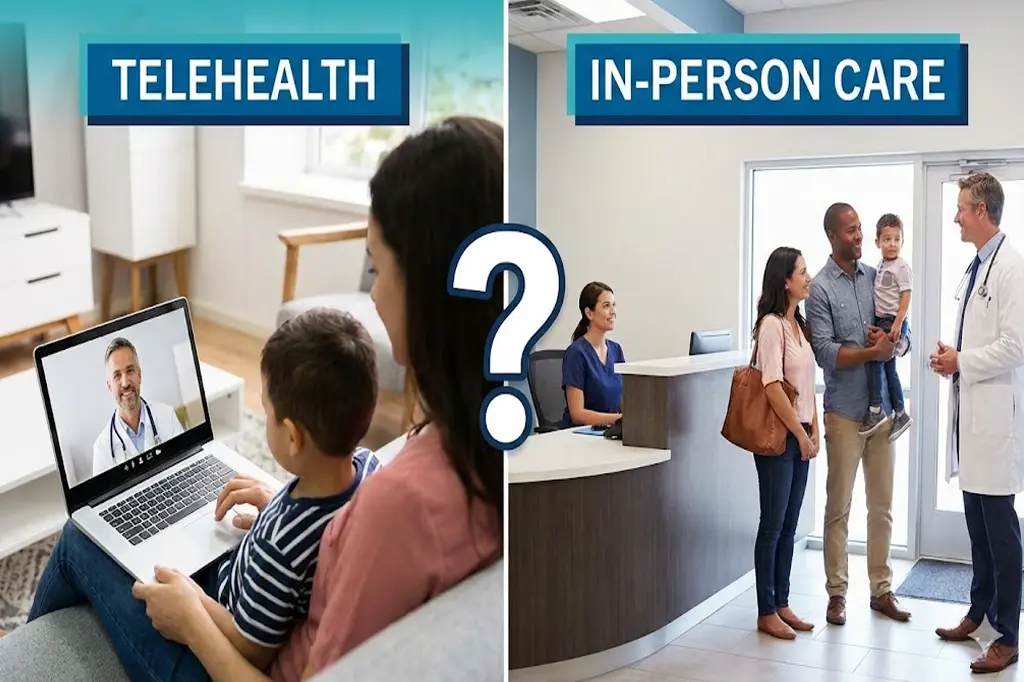
In today’s fast-paced world, families have more options than ever when it comes to healthcare. Traditional in-person clinic visits remain the cornerstone of care, ensuring that patients receive hands-on evaluation, accurate diagnoses, and personalized attention. On the other hand, telehealth has emerged as a convenient alternative, allowing families to consult healthcare providers virtually. With so many choices available, it can sometimes be confusing to decide which type of care is best for your family. By understanding the differences between virtual and physical clinic visits and knowing when each is most appropriate, families can make well-informed decisions that suit their needs.
While telehealth offers general virtual access to healthcare providers, UCare WeCare Family Clinic focuses on providing comprehensive in-person nurse practitioner care. Both approaches have unique advantages, and the choice depends on your family’s healthcare needs, convenience, and comfort. It is also important to understand that telehealth is best suited for minor or routine health concerns, whereas in-person visits are essential for more detailed evaluations, diagnostics, and treatments.
Understanding Telehealth
Telehealth refers to medical care delivered remotely using digital technology, such as video calls, phone consultations, messaging platforms, and remote monitoring devices. Over the last few years, telehealth has gained significant popularity because it eliminates the need to travel to a clinic, reduces waiting times, and makes healthcare more accessible for families with busy schedules, mobility limitations, or young children at home.
Telehealth services typically include:
-
Video Consultations: Real-time virtual meetings with healthcare providers for symptom evaluation, treatment guidance, and follow-ups.
-
Remote Monitoring: Devices that track vital signs such as blood pressure, glucose levels, or oxygen saturation, allowing providers to monitor patients’ health remotely.
-
Messaging and Follow-Up Services: Quick communication with nurse practitioners for minor concerns, medication clarifications, or check-ins after a clinic visit.
-
Electronic Prescriptions: Medications sent directly to your pharmacy, saving time and ensuring proper dosage.
While telehealth offers convenience for minor issues, follow-ups, or mental health counseling, it cannot replace the hands-on care required for physical examinations, diagnostic tests, and certain treatments. UCare WeCare Family Clinic in Newnan, GA emphasizes in-person nurse practitioner care to ensure accurate assessment and effective treatment plans.
Understanding In-Person Care
In-person care involves visiting a clinic or healthcare facility to consult directly with a provider. This traditional approach remains vital for conditions that require hands-on evaluation, specialized testing, and thorough assessment. UCare WeCare Family Clinic provides comprehensive nurse practitioner consultations, ensuring that families receive detailed evaluation and personalized treatment plans.
Services offered in-person at UCare WeCare include:
-
Comprehensive Physical Exams: Thorough evaluation of health status for children, adults, and elderly patients, helping identify potential issues before they become serious.
-
Laboratory Tests and Imaging: On-site blood tests, X-rays, and other diagnostic tools provide accurate results, allowing providers to make informed decisions.
-
Vaccinations and Immunizations: Preventive care services for all age groups, including flu shots, routine childhood vaccines, and adult boosters.
-
Emergency and Urgent Care: Immediate attention for acute illnesses or injuries requiring quick intervention.
-
Chronic Disease Management: Personalized care plans and ongoing monitoring for conditions such as diabetes, hypertension, asthma, and more.
In-person visits allow providers to detect conditions that may not be apparent during virtual consultations. Hands-on examinations, lab tests, and imaging ensure precise diagnosis and allow for tailored treatment plans that are critical for long-term health.
Key Differences Between Telehealth and In-Person Care
Both telehealth and in-person care aim to improve your family’s health, but they differ in several important ways:
1. Convenience and Accessibility
Telehealth is highly convenient for general healthcare needs. Appointments can be scheduled quickly, and there is no need to worry about traveling, parking, or waiting in a clinic. This is especially helpful for parents with young children, elderly family members, or individuals with limited mobility.
In contrast, in-person visits at UCare WeCare Family Clinic require scheduling and travel, but they provide the accuracy needed for comprehensive evaluation and diagnosis. For families in Newnan, GA, the ability to receive hands-on care from professional nurse practitioners ensures that subtle health issues are not overlooked.
2. Quality of Care and Accuracy
Virtual consultations work well for minor illnesses, follow-ups, or mental health support. However, they cannot replace the detailed assessments available through in-person care. Professional nurse practitioner consultation in-person guarantees high-quality, personalized care, including physical exams, lab tests, imaging, and procedures.
3. Cost Considerations
Telehealth appointments are often more affordable due to reduced operational costs. While in-person visits at UCare WeCare may have higher costs, they cover a wider range of services, from comprehensive diagnostics to urgent care, ensuring families get full value for their investment in healthcare.
4. Patient Experience and Personal Interaction
In-person visits foster stronger patient-provider relationships, which can be especially important for children and elderly patients. UCare WeCare Family Clinic emphasizes building trust, long-term relationships, and continuity of care, ensuring each family member feels comfortable and supported.
When Telehealth Works Best
Telehealth is effective for certain healthcare scenarios, particularly when convenience and accessibility are a priority:
-
Routine Check-Ins and Minor Illnesses: Virtual care can manage colds, flu symptoms, minor injuries, allergies, and follow-ups efficiently.
-
Mental Health Services: Counseling, therapy, and medication management can be accessed conveniently from home.
-
Chronic Condition Monitoring: Telehealth helps monitor chronic conditions such as diabetes, hypertension, and asthma, allowing for adjustments without frequent clinic visits.
Although telehealth provides convenience, it should complement, not replace, in-person care for comprehensive health management.
When In-Person Care Is Necessary
Certain situations demand direct, hands-on evaluation:
-
Physical Examinations and Diagnostics: Conditions requiring lab tests, imaging, or procedures cannot be assessed virtually.
-
Emergency or Urgent Care: Severe injuries, chest pain, high fever, and other urgent conditions require immediate attention.
-
Procedures, Vaccinations, and Treatments: Surgical procedures, wound care, immunizations, and specialized interventions must be performed in-clinic.
Professional nurse practitioners at UCare WeCare Family Clinic ensure that patients receive accurate diagnoses and proper treatment through these in-person services.
Role of Professional Nurse Practitioners
Nurse practitioners at UCare WeCare Family Clinic provide expert guidance, personalized care plans, and continuity of care:
-
Expertise Across Platforms: While the clinic focuses on in-person visits, nurse practitioners assess symptoms, provide treatment, and guide families on the best course of action.
-
Personalized Care Planning: Each family member’s health history, lifestyle, and needs are considered to tailor care plans effectively.
This approach ensures high-quality healthcare for children, adults, and seniors alike, giving families confidence in their care decisions.
Making the Right Choice for Your Family
Choosing between telehealth and in-person nurse practitioner care depends on several factors:
-
The type of medical issue
-
Convenience and schedule
-
Cost and insurance coverage
-
Comfort and personal preference
For families in Newnan, GA, UCare WeCare Family Clinic emphasizes hands-on NP care while acknowledging telehealth as a general convenience for routine check-ins elsewhere. Minor issues may sometimes be managed virtually, but comprehensive evaluation, procedures, and diagnostics require in-person attention. Many families adopt a hybrid approach, using telehealth for convenience when possible and relying on in-person care for critical needs.
Conclusion
Both telehealth and in-person care offer valuable benefits. Telehealth provides convenience, timely support, and accessibility for minor issues and follow-ups, while UCare WeCare Family Clinic ensures comprehensive, hands-on evaluation and treatment through professional nurse practitioners. By understanding the differences and benefits of each, families in Newnan, GA, can create a healthcare plan that balances convenience, quality, and reliability.
FAQs
Q1: Can telehealth replace in-person visits at UCare WeCare Family Clinic?
No, the clinic focuses on in-person nurse practitioner care for accurate evaluation and treatment. Telehealth is not offered directly but is available elsewhere for general consultation.
Q2: Are nurse practitioners qualified to provide in-person care?
Yes, professional nurse practitioners at UCare WeCare Family Clinic are fully trained to provide safe, effective, and high-quality in-person healthcare services.
Q3: Can children receive care at UCare WeCare Family Clinic?
Absolutely. The clinic provides pediatric, adult, and geriatric care.
Q4: What types of in-person services are available?
Services include comprehensive physical exams, lab tests, imaging, vaccinations, urgent care, and chronic disease management.
Q5: How can I schedule an in-person appointment?
Appointments can be scheduled online via the clinic’s website or by calling the clinic directly.