
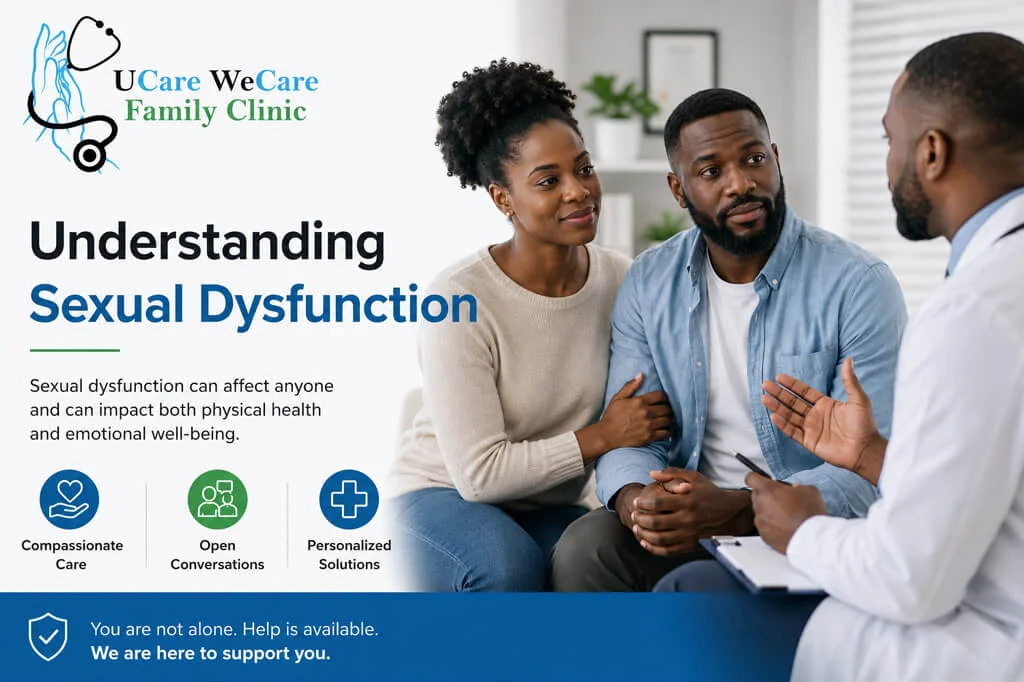
Sexual health is a vital component of your overall well-being, yet it remains one of the least discussed topics in healthcare. When something prevents you from experiencing satisfaction or pleasure during sexual activity, it is known as sexual dysfunction.
It is important to understand that sexual dysfunction is incredibly common affecting between 30% to 40% of people at some point in their lives and it is highly treatable. It can affect anyone at any age, though its prevalence often increases after the age of 40.
The Four Stages of the Sexual Response Cycle
To understand how sexual dysfunction occurs, it helps to understand the sexual response cycle. This cycle consists of four distinct phases, and dysfunction can disrupt any one of them:
- Excitement: This is the initial phase of desire and physical arousal, which includes foreplay, increased blood flow, and early physical signs of stimulation.
- Plateau: The period leading up to climax where physical changes (like heart rate and muscle tension) intensify.
- Orgasm: The peak of the cycle, involving a sudden, pleasurable release of sexual tension.
- Resolution: The final phase where the body gradually relaxes and returns to its normal baseline state.
Major Categories of Sexual Dysfunction
Healthcare providers categorize these disorders into four primary types based on how they affect the response cycle:
1. Desire Disorders
A persistent lack of sexual interest or libido. Individuals with desire disorders may experience little to no interest in any form of sexual activity.
2. Arousal Disorders
This occurs when you are emotionally interested in sex, but your body does not physically respond. For men, this often manifests as difficulty achieving or maintaining an erection. For women, it can manifest as a lack of physical responsiveness to stimulation.
3. Orgasm Disorders
An absence, delay, or significant difficulty in reaching a climax, even when adequate desire and physical arousal are present.
4. Pain Disorders
Conditions that cause physical pain or severe discomfort during or after intercourse, making sexual activity distressing rather than pleasurable.
Recognizing the Symptoms
Symptoms vary significantly depending on biological factors and gender:
Symptoms Predominantly Affecting Men:
- Erectile Dysfunction (ED): Difficulty achieving or keeping an erection firm enough for intercourse.
- Ejaculation Issues: Premature ejaculation (climaxing sooner than desired) or delayed/absent ejaculation despite sufficient stimulation.
Symptoms Predominantly Affecting Women:
- Anorgasmia: Inability to reach orgasm despite consistent stimulation.
- Vaginal Dryness: Often linked to hormonal shifts (like menopause or postpartum changes), causing discomfort.
- Vaginismus: Involuntary tightening of the vaginal muscles, making penetration painful or difficult.
Root Causes of Sexual Dysfunction
Sexual health is complex because it relies on a delicate balance of physical biology and psychological well-being.
Physical & Medical Causes
- Chronic Health Conditions: Cardiovascular disease, high blood pressure, diabetes, kidney or liver failure, and neurological disorders (such as multiple sclerosis or nerve damage).
- Hormonal Imbalances: Low testosterone levels in men or dropping estrogen levels in women during menopause.
- Lifestyle Factors: Substance use disorders and chronic alcohol consumption.
Psychological & Emotional Causes
- Daily stress, chronic anxiety, and clinical depression.
- Relationship conflict or communication barriers with a partner.
- Performance anxiety or body image concerns.
- Past psychological or sexual trauma.
Medication Side Effects
Certain everyday and prescription medications can inadvertently cause sexual side effects, impacting desire, arousal, or climax:
- Antidepressants & Antipsychotics: Certain classes like SSRIs (e.g., fluoxetine, sertraline, paroxetine) or tricyclic medications can lower libido and delay orgasm.
- Blood Pressure Medications: Beta blockers, alpha blockers, and diuretics are common contributors to erectile issues.
- Over-the-Counter (OTC) Drugs: Certain everyday antihistamines and decongestants used for allergies or colds can temporarily cause erectile difficulties or ejaculation issues.
Modern Treatment Options
Because sexual dysfunction usually stems from a specific underlying cause, treating that root issue generally restores a healthy, fulfilling sex life. Modern medical approaches include:
- Targeted Medications: Adjusting current prescriptions that may be causing side effects, or prescribing specific medications to assist with erectile function, libido enhancement, or vaginal comfort.
- Hormone Therapy: Utilizing precisely managed hormone replacement treatments (such as customized creams, shots, or pills) to correct low testosterone or low estrogen levels.
- Mechanical & Therapeutic Aids: Utilizing safe, modern health devices (such as vacuum devices or dilators) to gently restore comfort and function.
- Counseling & Specialized Therapy: Working through performance anxiety, stress, or relationship dynamics with professional guidance.
Take Control of Your Health at UCare WeCare Family Clinic
You do not have to struggle in silence with intimacy issues or physical discomfort. If you have been experiencing symptoms of sexual dysfunction for three months or longer or if it is causing distress in your relationship it is time to seek professional care.
At UCare WeCare Family Clinic, we treat sexual health with the exact same medical dedication, confidentiality, and respect as any other primary care condition. Our expert medical team offers comprehensive care, including specialized Men’s and Women’s Health management, targeted medical treatments, and tailored Hormone Replacement Therapy (HRT).
Don’t let frustration distance you from a healthy quality of life. Contact us today to schedule your private, compassionate consultation.
Frequently Asked Questions (FAQs)
Is sexual dysfunction permanent?
Ans: No, in the vast majority of cases, sexual dysfunction is not permanent. Most types are highly treatable once the underlying physical or psychological root cause such as a hormonal imbalance, medication side effect, or stress is correctly identified and managed by a healthcare professional.
How do I know if my medication is causing sexual side effects?
Ans: If you noticed a sudden change in your libido, difficulty achieving arousal, or delayed orgasm after starting a new prescription (like blood pressure medication or antidepressants), it could be a side effect. Never stop taking your medication abruptly. Instead, consult your provider to safely adjust your dose or switch to an alternative.
Can low hormone levels cause sexual dysfunction in both men and women?
Ans: Yes. Low testosterone in men can significantly reduce sexual desire and lead to erectile dysfunction. In women, dropping estrogen levels (especially during menopause or postpartum) can cause vaginal dryness and painful intercourse. Hormone Replacement Therapy (HRT) is often highly effective in resolving these issues.
When should I see a doctor at UCare WeCare Family Clinic for sexual dysfunction?
Ans: We recommend scheduling a confidential consultation if you have been experiencing symptoms for three months or longer, or if the issue is causing personal distress or strain in your relationship. Early intervention ensures a faster and more effective treatment plan.